
Products
Reflective heat transfer film
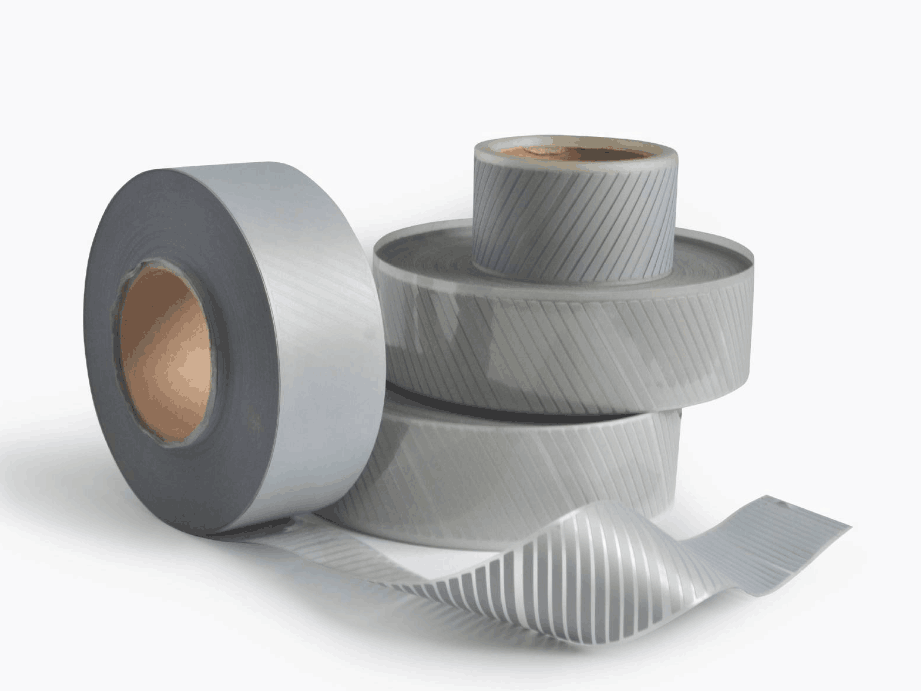
What is Reflective Heat Transfer Vinyl (HTV)? Principles, Benefits, and Applications
Reflective Heat Transfer Vinyl (HTV) is a functional heat-transfer material designed for high visibility. Applied using high-temperature heat pressing, it bonds securely to various textile fabrics to create visual patterns with retro-reflective properties.
How Reflective HTV Works
The key to its ability to shine in low-light environments lies in the micro glass beads with a high refractive index embedded evenly on the surface:
-
Retro-Reflection Mechanism: When light from sources like headlights or flashlights hits the glass beads, it refracts inside them and reflects back directly toward the original light source.
-
Long-Distance Warning: This phenomenon creates a bright focal point, enabling drivers and observers to spot wearers from a distance for enhanced safety.
4 Core Benefits of Reflective HTV
| Benefit | Key Advantage |
| High Nighttime Visibility | Significantly boosts wearer visibility in dark environments, reducing the risk of accidents. |
| Superior Durability | Heat-bonding locks the vinyl into fabric fibers, offering excellent washability, stretch resistance, and resistance to cracking or peeling. |
| Versatile Designs | Available in standard high-gloss silver-gray, rainbow reflective, neon, and rainbow-iridescent styles to balance safety and design. |
| Easy Application | Compatible with both industrial heat presses and household irons, making processing straightforward. |
Key Applications
Reflective HTV is widely used across products where nighttime safety is essential:
-
Safety & Performance Apparel
-
Occupational Safety: Traffic police uniforms, sanitation workwear, construction vests.
-
Sports & Casualwear: Running gear, cycling kit, school uniforms, outdoor outerwear.
-
-
Bags & Accessories
-
Backpacks, hiking bags, totes, and protective luggage trims.
-
-
Personal Sports Gear
-
Athletic footwear logos, caps, protective pads, and gloves.
-
-
Road & Safety Signage
-
Flexible traffic warning signs, temporary hazard indicators, and safety banners.\
-
Summary: Whether applied in commercial safety workwear production or personal DIY night-running gear, reflective heat transfer vinyl delivers an ideal blend of high-function safety and visual appeal.
Reflective heat transfer vinyl requires special care regarding temperature and physical friction during heat pressing and washing due to its micro glass bead structure, ensuring the reflective layer remains undamaged and firmly attached.
Recommended Heat Pressing Parameters
While minor adjustments may be needed based on different fabric types (such as standard cotton, polyester, or water-repellent fabrics) and vinyl varieties, below are the standard parameters for reflective heat transfer vinyl:
| Parameter | Recommended Setting | Description / Notes |
| Temperature | 140°C – 160°C | Too low will prevent the adhesive from melting completely; too high may damage the reflective layer or fabric. |
| Time | 10 – 15 seconds | Extend by 2–3 seconds for water-repellent or heavy fabrics. |
| Pressure | Medium to Firm (Approx. 3.0–4.0 kgf/cm²) | Ensures the hot-melt adhesive penetrates deep into the fabric fibers. |
| Peeling Method | Cold Peel (Primary) | Crucial Step: Allow the garment to cool down completely before removing the carrier sheet to prevent damaging the glass bead matrix. |
Pro Tip: Pre-press the fabric for 3–5 seconds before application to remove excess moisture and smooth out wrinkles, significantly enhancing adhesion.
Washing & Care Instructions
The surface glass beads are sensitive to strong chemicals and harsh friction. Proper care will extend the lifespan of the reflective pattern:
-
Wait 24 Hours Before Washing Allow the hot-melt adhesive to cure completely by waiting at least 24 hours after pressing before the first wash.
-
Turn Inside Out Turn garments inside out prior to washing to minimize direct friction between the reflective graphic and zippers, buttons, or the washer drum.
-
Use Neutral Detergents Opt for mild, neutral laundry detergents. Never use bleach, harsh chemicals, or fabric softeners, as they break down the hot-melt adhesive and reflective coating.
-
Cold Water & Gentle Cycle Keep water temperatures below 40°C and select a gentle cycle. If hand washing, avoid scrubbing directly over the reflective film.
-
Avoid High-Heat Drying & Direct Ironing
-
Drying: Air dry by hanging. Avoid high-temperature tumble drying.
-
Ironing: If ironing is necessary, iron the garment inside out on low heat or use a pressing cloth over the vinyl. Never apply an iron directly to the reflective film.
-
.png)
Full product support
Products you might be interested in
Webbing & Tape

Protective products

Textile Fabic
Ribbon tapes

|
Contact ✉ info@fujyilin.com.tw | Privacy Policy | |
| Address : No.17-1, SHAU ANN St., Zhongzheng Dist., Taipei City 10071, Taiwan (R.O.C.) | TEL : +886-2-2301-5900 | FAX : +886-2-2307-5424 | |
|
Fu Jyi Lin Enterprise Co., Ltd. Copyright © 2014 |
|||
- News
- About Fujyilin
- Products
- Contact us
-
Hot products
- Engine protection additives
- Dual-Color Reflective Tape
- Safety Netting
- Stand Up Pouches with Zipper
- Torco Engine Oil SR-5
- webbing garden hose
- Soundproof Fabric
- Torco Engine oil
- waterproof nursing underpad
- Reflective Vest printing Logo
- Elastic lunch straps
- Polyester Cotton rope cord
- AI Electric energy storage cost-saving system
- Sunglasses
- Biodegradable opp tape
- Integrated Hook & Loop Design
- KF94 Mask
- Shoelace Tips
- Elastic loop tape
- Military Tactical Backpack
- Toiletry bag
- PVC reflective tape
- TC Backing Reflective Fabric
- U-Bend Bamboo Straw
- Rope handle paper bag
- Beverage bag
- hard hat sun shade
- Eco Bag
- TC Sliver reflective tape
- Protective clothing
- Recycled polyester canvas fabric
- Melt blown nonwoven fabric
- Woven elastic band
- Canvas pencil bag
- Handle cord
- Face mask
- Face Shield
- Phone strap
- Paper Straw
- Natural Bamboo Straw and Tableware
- Custom retro reflective stickers
- Partnership
-
Case share
- Braid Cord
- Hot stamping sliver Drawstring Pouch Bags
- Cotton Herringbone Tape
- Custom cotton webbing
- Bag handle fabric
- Thermal transfer lanyard
- High visibility reflective vest
- Reflective fabric strips
- Drawstring backpacks custom
- Canvas bag printing
- 14oz Canvas (Stitching) Tote Bag
- Drawstring Pouch for Eyeglass Cloth
- Back to back hoop and loop
- Engineering reflective vest
- Custom blue safety belt webbing
- Disaster prevention drawstring Backpacks
- Shoe Lace
- Propaganda Tote Bag
- Jacquard rope cord
- reflective shopping bags backbags
- Metallized reflective tapes
- Tote Bag
- Tied rope mask
- Drink canvas bags
- Reflective grosgrain ribbon
- Gift bags
- Ribbon wholesale supplier
- T-shirt bags
- Reusable bag
- Ribbon tape manufacturer
- Ribbon printed logo
- Fire retardant reflective fabric
- Insulated bags
-
